 JewelMatch Hub
JewelMatch Hub
JewelMatch Hub
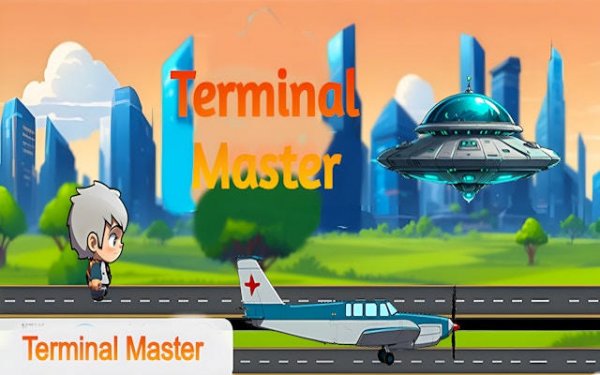
Runway Dash Crossing succeeds by doing one thing well: testing a player's ability to wait and act at the right moment. The alternating runway and sea phases provide enough variety to prevent monotony, while the gradual difficulty increase gives a satisfying sense of improvement. Controls are responsive and intuitive, making it easy to jump in for a quick session. The lack of checkpoints means every run demands full attention, which can be both rewarding and occasionally frustrating. For players seeking a straightforward challenge that respects their time, this game delivers a polished experience.
Runway Dash Crossing revolves around two distinct phases that alternate as players progress. The first phase places the character on a broad runway where aircraft cross at varying speeds. Success depends on waiting for safe gaps and moving at the right moment. The second phase shifts to a water setting with floating boards. Here, the character must jump and land exactly in the center of each board to maintain balance. A single misstep resets progress, encouraging careful attention throughout.
The game uses a minimal control scheme designed for quick learning. On touchscreens, players tap directional buttons to move forward, left, or right. On keyboards, the arrow keys serve the same purpose. There are no complex combinations or special moves to memorize. This simplicity allows players of any age to start playing immediately, focusing entirely on timing rather than mastering controls.
The visual style is bright and clear, with colorful aircraft and a sunny atmosphere. The runway phase features a wide, open space that makes incoming planes easy to spot. The sea phase introduces a calm blue backdrop with wooden boards that stand out against the water. This contrast between phases helps players quickly adapt to the changing challenge. The overall look is cheerful and non-threatening, suitable for a family audience.
As players advance, the pace of aircraft movements increases, and the spacing between floating boards becomes tighter. This gradual ramp in difficulty ensures that each session feels fresh. The game does not introduce new mechanics but instead relies on refining the core challenge. This design rewards repeated play, as players develop better timing and spatial awareness over time. The lack of checkpoints means each run demands consistent focus.
The primary motivation to return comes from improving personal performance. There are no unlockable characters or levels, so the appeal lies in mastering the existing challenge. Each attempt is a clean slate, allowing players to try different strategies for moving through the runway and sea sections. The straightforward nature of the game makes it easy to pick up for short sessions, fitting well into casual gaming routines.












Player Comments
Sign in to comment
You must be logged in before posting a review or rating.
No account? Create one
No comments yet. Be the first to comment!