 JewelMatch Hub
JewelMatch Hub
JewelMatch Hub
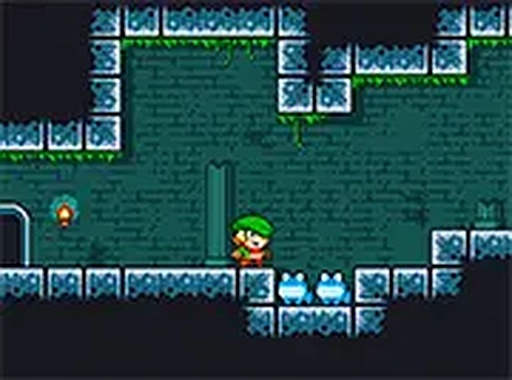
Pixel Hero Dungeon Runner captures the essence of classic platformers with its pixel-art visuals and methodical level design. The emphasis on key collection turns each stage into a mini-puzzle, requiring players to search every corner. The controls are responsive, making precise jumps feel fair. Enemy patterns are predictable but require observation, adding a strategic layer. The gradual difficulty curve ensures the game remains accessible without becoming boring. For fans of retro-inspired games, this is a solid choice that respects the genre's roots.
Each level in Pixel Hero Dungeon Runner presents a distinct layout filled with platforms, gaps, and hidden alcoves. The primary goal is to locate keys scattered throughout the environment. These keys are often tucked away behind obstacles or placed in areas that require thoughtful navigation. Players must examine every corner of the dungeon to ensure they do not miss essential items. The level design encourages thorough exploration rather than rushing from start to finish. Some areas may only be accessible after completing a specific sequence of moves, adding a layer of puzzle-solving to the platforming action.
Controlling the hero involves basic directional movement and jumping. The challenge comes from the precise timing required to clear gaps and avoid hazards. Spikes and pits are common, and missteps can send the character back to the start of a section. The game rewards patience, as rushing often leads to mistakes. Observing the environment before acting is a key strategy. The controls are responsive, allowing for fine adjustments during jumps. This focus on precision makes each successful traversal feel satisfying.
Hostile creatures patrol various parts of the dungeons. These foes follow predictable patterns, which players can learn over time. The typical method to overcome them is to jump on top of them from above, though some levels may offer alternative approaches. Timing is crucial, as mistimed jumps can lead to contact with the enemy. Players who study enemy routes can plan their movements to avoid confrontations altogether. This strategic element adds depth beyond simple running and jumping.
The pixel-art graphics evoke the look of classic 8-bit and 16-bit platformers. Each dungeon has a distinct color palette and thematic elements, from stone corridors to cavernous spaces. The visual clarity helps players identify platforms, hazards, and items at a glance. The retro aesthetic is complemented by a simple, unobtrusive soundtrack that sets a focused tone. The overall presentation is clean and functional, ensuring that the gameplay remains the primary focus.
As players advance, levels introduce new obstacle configurations and enemy placements. The difficulty curve is gradual, allowing newcomers to build skills before facing more complex challenges. Collecting all keys in a level is required to progress, but finding secret areas is optional and adds replay value. The game does not feature a lives system, so players can retry sections without penalty. This design choice encourages experimentation and learning from mistakes.








Player Comments
Sign in to comment
You must be logged in before posting a review or rating.
No account? Create one
No comments yet. Be the first to comment!