Cooperative Core Design
This game centers on two players working together as a single unit. Each person controls one character using separate keyboard keys. The levels are built around obstacles that require both characters to act at the same time. For example, one player might need to stand on a pressure plate while the other jumps across moving platforms. Success depends on talking through each step and moving in sync. The game avoids any single-player sections, so every moment reinforces the need for partnership.
Level Structure and Key Collection
Each stage presents a series of interconnected rooms and platforms. Scattered throughout are colored keys that must be collected before the exit door becomes accessible. The keys are often placed in locations that force the duo to split up temporarily, then reunite. Some keys are hidden behind simple environmental puzzles, like moving blocks or timed switches. The layout encourages players to explore every corner, as missing a single key means restarting the section. The timer adds a gentle sense of urgency without being punishing.
Visual Style and Atmosphere
The pixel art aesthetic gives the game a nostalgic feel while keeping the screen clear and readable. Characters are distinct and easy to spot against the backgrounds. Each level uses a different color palette, ranging from grassy greens to icy blues, which helps distinguish stages visually. The animations are smooth, with small details like character idle movements and particle effects when collecting keys. The overall look is cheerful and inviting, suitable for players of all ages.
Communication and Strategy
Because the game requires constant coordination, it naturally builds communication skills. Partners must describe what they see, call out when to jump, and agree on routes. Some sections have moving hazards that require precise timing, so talking through the sequence is essential. The game does not include voice chat, so players need to use external tools or sit side by side. This makes it a good choice for local multiplayer sessions or online play with a friend on a call.
Progression and Difficulty Curve
The early levels introduce basic mechanics like simple gaps and single keys. As players advance, obstacles become more layered, with multiple keys, moving platforms, and timed sections appearing together. The difficulty increases gradually, giving teams time to develop their rhythm. Later stages may require splitting up for longer periods, testing how well partners can work independently while still coordinating. There is no fail state beyond the timer, so teams can retry as many times as needed.
Replayability and Shared Experience
Since the game relies on two players, each playthrough feels different depending on who you team up with. Communication styles and problem-solving approaches vary, leading to unique experiences each time. The levels are designed to be replayed, with slightly different key placements or obstacle patterns on subsequent attempts. This encourages teams to improve their times and strategies. The cooperative focus means the game is less about individual skill and more about how well two people can work together.
Compatibility
✅ Works on PC & Mobile | Recommended: Chrome / Safari / Edge
 JewelMatch Hub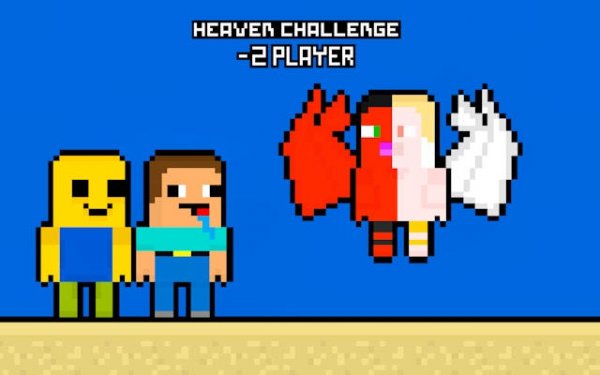






Comments
0 comments