 JewelMatch Hub
JewelMatch Hub
JewelMatch Hub
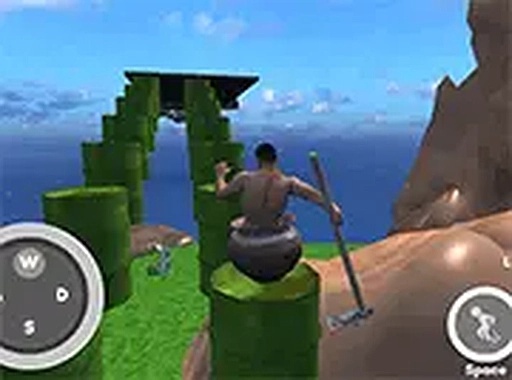
Vertical Ascent Precision strips platforming down to its essentials. The hook-and-swing mechanic is simple to grasp but offers surprising depth as you learn to manage momentum and landing accuracy. The three maps provide enough variety to keep the experience engaging without overwhelming the player. The lack of timers or collectibles means the only goal is improvement, which suits those who enjoy mastering a single skill. The minimalist visuals and sound keep distractions low, allowing full concentration on the climb. It is a well-crafted game for anyone who values deliberate gameplay over flashy effects.
Vertical Ascent Precision centers on a simple yet demanding mechanic: using a handheld tool to latch onto overhead surfaces and propel your character upward. The action is entirely physics-driven, meaning momentum and angle matter with every attempt. There is no complex combo system or power-up to rely on. Success comes from understanding how your character swings and how to release at the optimal moment to land securely on narrow ledges. This focus on fundamental movement creates a pure test of coordination that remains engaging across repeated attempts.
Three distinct environments offer different visual themes and obstacle arrangements. Each map presents a unique sequence of platforms, gaps, and overhangs that require adapting your approach. Early sections introduce basic swinging distances and stable landing zones, while later areas demand sharper timing and more precise releases. The layout encourages players to study the path ahead and plan each swing rather than relying on quick reactions alone. This thoughtful design keeps the experience fresh as you move from one map to the next.
The controls are straightforward: attach your tool to a surface, swing, and let go. However, mastering the rhythm of each swing takes practice. The physics model rewards patience and careful observation over speed. New players may find themselves slipping off ledges or overshooting platforms frequently at first. Each failure provides clear feedback on what went wrong, whether it was releasing too early or swinging with too much force. Over time, muscle memory develops, and previously impossible gaps become manageable.
The visual style is clean and unobtrusive, with clear platform outlines and a character that is easy to track against the background. The color palette uses soft tones that do not distract from the gameplay. Sound effects are minimal, providing subtle cues for successful landings and near misses. This restrained approach keeps the focus on the action and prevents sensory overload, which is especially helpful during longer play sessions where concentration is key.
There are no timers or score multipliers to chase. The primary motivation comes from personal improvement and the satisfaction of completing a difficult ascent. Players often find themselves returning to earlier maps to refine their technique before attempting harder ones. The lack of external pressure makes it suitable for short sessions or extended play. Each completed climb feels earned, and the process of gradual improvement keeps the experience rewarding over time.







Player Comments
Sign in to comment
You must be logged in before posting a review or rating.
No account? Create one
No comments yet. Be the first to comment!