 JewelMatch Hub
JewelMatch Hub
JewelMatch Hub
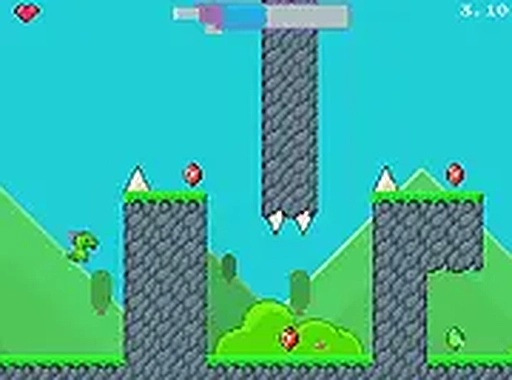
Pixel Lizard Flyer captures the essence of classic arcade platformers while introducing a jetpack mechanic that changes how players approach each stage. The pixel art is clean and nostalgic, and the level design gradually increases in complexity without becoming unfair. Controls are responsive, and the focus on collecting all treasures gives each run a clear purpose. It is an excellent choice for anyone looking for a quick, skill-based gaming session.
The jetpack is the central tool for movement. Players activate it to lift the lizard upward, while standard left and right controls handle horizontal navigation. This combination creates a unique flow where altitude management becomes as important as positioning. Unlike traditional platformers that rely on jumping, this game emphasizes sustained flight and careful energy use. The mechanic feels responsive and encourages experimentation with different flight paths through each stage.
Each stage is built around a simple goal: collect all treasure chests before reaching the exit. The layout includes stationary and moving obstacles that force players to adjust their flight patterns. Spikes line walls and floors, while moving platforms create dynamic routes. The design rewards players who learn the stage geometry and plan efficient collection routes. Short stage lengths make it easy to retry difficult sections without frustration.
The pixel art aesthetic draws inspiration from classic arcade machines. Bright colors and clear sprite outlines make hazards and collectibles easy to spot during fast gameplay. The lizard character has a charming, simple design that fits the retro theme. Backgrounds use layered scrolling to create depth, while subtle animations bring the environment to life. The overall look is clean and readable, which is essential for a game focused on precision.
Early stages introduce basic flight and obstacle avoidance, while later levels combine multiple hazards and tighter spaces. Success depends on developing a sense of timing for jetpack activation and learning to anticipate moving elements. Speed runs become possible as players internalize level layouts. The game does not punish failure harshly, encouraging repeated attempts. This gradual difficulty curve suits both newcomers and experienced platformer enthusiasts.
Controls are limited to a few keys, making the game instantly approachable. There is no complex menu system or lengthy tutorial. Players can start a new game and understand the objective within seconds. This design choice aligns with the casual arcade tradition, where quick sessions are the norm. The lack of extraneous features keeps the focus squarely on the core gameplay loop of flying and collecting.







Player Comments
Sign in to comment
You must be logged in before posting a review or rating.
No account? Create one
No comments yet. Be the first to comment!