 JewelMatch Hub
JewelMatch Hub
JewelMatch Hub
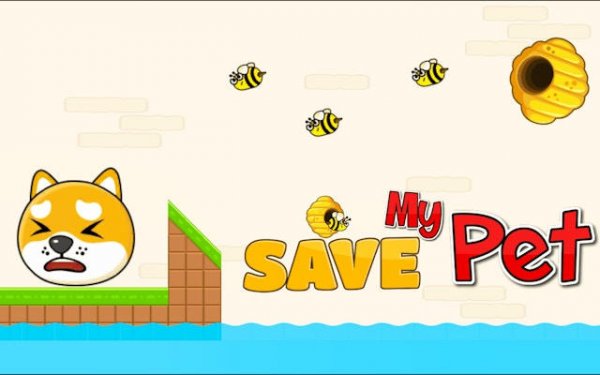
Creative Pet Rescue Puzzle is a charming and engaging game that challenges players to think creatively. The drawing mechanics are intuitive, and the puzzles are well-designed with increasing difficulty. The visuals are cute, and the physics-based interactions add a layer of realism. It's a great choice for families and puzzle enthusiasts.
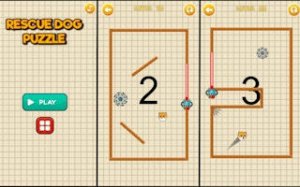
Creative Pet Rescue Puzzle is a free online arcade puzzle game that blends creativity with logical thinking. In each level, players use a simple drawing tool to create lines, barriers, and shapes that help a friendly dog reach safety. The environment includes various hazards such as angry bees, flowing lava, deep water, sharp spikes, and explosive traps. The dog moves automatically after the drawing is complete, so careful planning is essential. With charming visuals and physics-based interactions, this game offers a satisfying mix of imagination and problem-solving for players of all ages.
Playing Creative Pet Rescue Puzzle is straightforward. Players use a mouse or finger to draw continuous lines or shapes on the screen. First, study the level layout to locate the dog, the safe zone, and all dangers. The drawn objects become solid and can block bees, bridge over lava, cover spikes, or stop explosions. Once the drawing is released, the dog begins moving. If the rescue fails, the level can be reset to try a different drawing strategy. Experimentation is encouraged, as there are often multiple ways to solve each puzzle.
Creative Pet Rescue Puzzle includes creative drawing mechanics that turn sketches into physical objects. It offers diverse environmental challenges including bees, lava, water, spikes, and explosions. The game has progressive difficulty that gradually introduces new hazards. Charming visuals and sounds create a lighthearted atmosphere. Brain-teasing puzzles reward careful observation and planning.
To succeed in Creative Pet Rescue Puzzle, take time to study each level before drawing. Identify all hazards and plan a path that avoids them. Use simple shapes like lines and curves to create barriers or bridges. If the first attempt fails, think about what went wrong and try a different approach. Sometimes the simplest drawing is the most effective. Practice helps recognize patterns and become faster at solving puzzles.







Player Comments
Sign in to comment
You must be logged in before posting a review or rating.
No account? Create one
No comments yet. Be the first to comment!